Microcurrent Facial CPD Course
Lift • Tone • Sculpt
Beautique Centre of Excellence – Setting the Standard in Hair, Beauty & Aesthetics Education
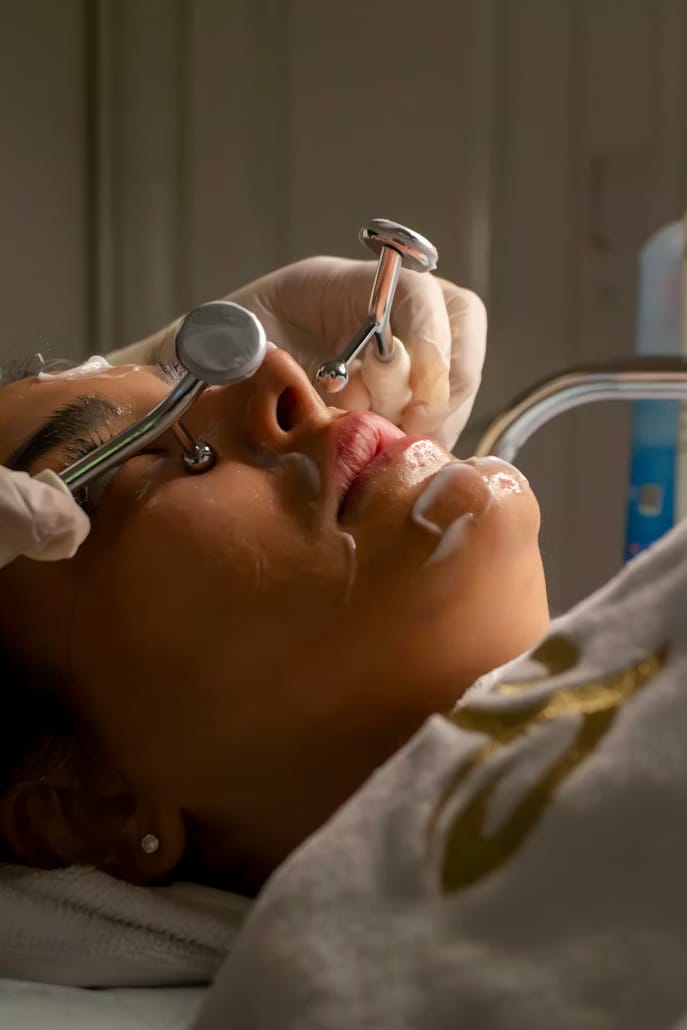
Our Microcurrent Facial Course is designed for practitioners looking to offer a non-invasive, results-driven facial treatment that lifts, tones, and sculpts the face using low-level electrical currents.
Often referred to as a “non-surgical facelift”, microcurrent facials are highly popular with clients wanting visible results without needles or downtime, making it a high-demand, repeat-booking treatment.
This course focuses on facial muscle stimulation, lifting techniques, and treatment protocols, ensuring you can confidently deliver safe, effective, and noticeable results.
What This Course Covers
Theory
Introduction to microcurrent technology
Skin anatomy and facial muscles
How microcurrent works on the skin and muscles
ATP (cellular energy) production and its role
Benefits of microcurrent treatments
Client consultation and facial assessment
Contraindications and precautions
Hygiene and infection control
Legalities, consent, and insurance considerations
Treatment Knowledge
Lifting and toning facial muscles
Improving skin elasticity and firmness
Enhancing facial contour and definition
Stimulating collagen and elastin production
Improving circulation and skin health
Customising treatments for different concerns
Treatment Areas Covered
Face
Neck
Décolletage (where applicable)
Practical Training
Full consultation and facial assessment
Preparing the skin for treatment
Device setup and safety checks
Using probes and gloves (depending on device)
Performing lifting and sculpting techniques
Targeting specific facial muscles
Creating a full facial protocol
Managing client comfort
Post-treatment care and advice
Tutor demonstrations
Live model practice
Supervised hands-on training
Treatment Benefits (What You’ll Be Delivering)
Lifted and toned facial muscles
Improved skin firmness
Enhanced facial contours
Brighter, healthier-looking skin
Non-invasive anti-ageing results
Business & Growth Strategy
Pricing microcurrent facials
Creating treatment packages (courses of sessions)
Positioning as a “non-surgical facelift”
Attracting clients who avoid injectables
Increasing client spend with add-ons
Building a results-driven facial menu
Prerequisites
To enrol onto this course:
No experience required (beginner friendly)
ORSuitable for those with:
Facial or skincare training
NVQ Level 2/3 Beauty Therapy
Important:
You must be 18+
You must have an interest in skin treatments
You must be able to obtain appropriate insurance
What You Will Receive
CPD Accredited Certificate in Microcurrent Facial
Full training manual
Ongoing support from Beautique
Device and product guidance
Business and pricing advice
Frequently Asked Questions
What is a microcurrent facial?
It is a treatment that uses:
Low-level electrical currents
To:
Stimulate facial muscles
Lift and tone the face
Is this course suitable for beginners?
Yes – this is beginner friendly, but also great for experienced therapists.
Do you provide models?
Yes – live models are provided for practical training.
How much can I charge for microcurrent facials?
Typical pricing:
£40 – £90+ per session
How long does the treatment take?
Typically 45–75 minutes
How many sessions do clients need?
A course of 6–10 sessions is often recommended for best results
Is there downtime?
No – this is a non-invasive treatment with no downtime.
Is this a high-demand treatment?
Yes – especially for clients who:
Want anti-ageing results
Avoid injectables
Prefer natural treatments
Is this a profitable treatment?
Yes – it:
Has low product cost
Encourages repeat bookings
Works well in packages
Will this help me increase my income?
Yes – this course allows you to:
Add a premium facial
Offer treatment packages
Attract new client types
Can I combine this with other treatments?
Yes – commonly combined with:
Facials
Skin boosters
Advanced skin treatments
Is it safe?
Yes, when performed correctly with:
Proper training
Correct device settings
Safe protocols
Is ongoing support available?
Yes – you’ll receive continued support and guidance after training.
Are regulations changing in aesthetics?
Yes – we recommend:
Continuing your professional development
Staying within your scope of practice
Maintaining high standards